 Insights
The human-centered design approach fosters the participation of users in the co-creation of public services. At the same time, community engagement is a challenging process that requires a high investment of time and energies of both organisations and citizens. A lot of experiences end up being one-off interactions, don’t produce the desired outcomes and sometimes even generate frustration.
How can designers enable effective community-led innovation processes grounded on solid relationships with selected groups of users over an extended amount of time?
Community engagement is a delicate process, that requires a strong motivation and humble respect of existing groups, hierarchies and dynamics, to establish a mutual trust. Community engagement is always affected by less predictable events, such as political instability, the departure of a motivated member, or the sudden raise of bigger problems. While these variables are impossible to control, other elements should be carefully handled to establish a good relationship with the partnering citizens:
Identify a shared purpose.
A shared vision and purpose is what will make the iterative process feasible, by inviting all the active members to co-own the vision and share the responsibility for translating that vision into meaningful change. Purpose also creates energy, and is an important motivation for the citizens to join the sessions, spread the word and proactively contribute. Joining forces to fight the fire problem in the neighbourhood is an example of a strong purpose.
Become transparent.
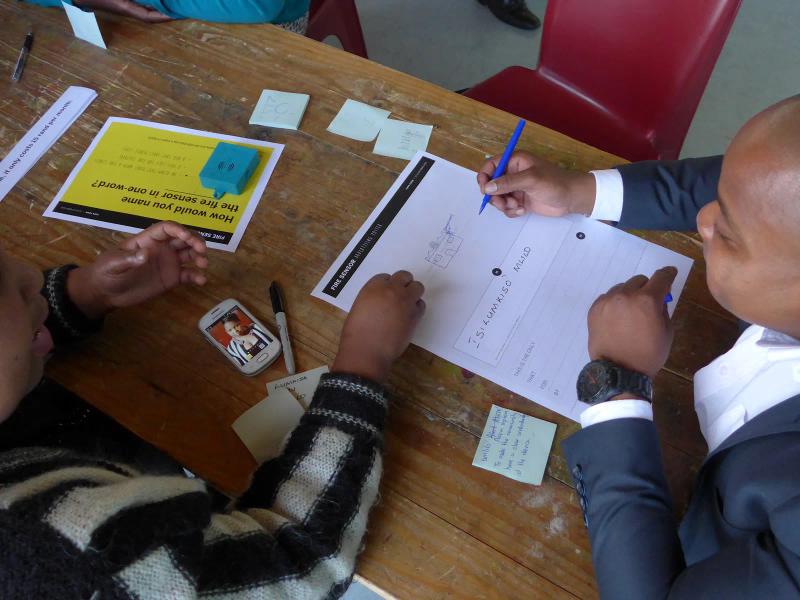
All the activities aimed at engaging community members require the definition of clear rules upfront so that in the moment of the co-design or co-creation session, the facilitators simply need to provide a set of structured instructions and let participants play, in a comfortable and natural way. Designing the moments of community engagement in advance means define in detail the exercises, timing, materials and roles, and turn our design tools into enablers for non-designers to express their ideas and visions.
Build a relationship.
Showing passion for the shared goal and deep respect helps slowly build trust and develop a good relationship. Good examples of this are participating to the life of the community beyond project-related events, or not forcing intimacy during the conversations, and patiently wait for the others to open. The more complex, time-consuming and exposed the activities are to organize, the stronger the relationship needs to be.
Make it joyful.
Coming together to discuss some issues that affect everybody’s life is an important opportunity to share concerns, wishes, and needs, as well as a chance to spend a nice hour or day together with people living in the same city or neighbourhood. Therefore, it is important that the activities include moments of fun, such as dancing together or playing. A friendly competition with each other can help stimulate the groups when faced with fatigue, as well as foster the necessary energy during creative debates.
Develop feedback loops.
There is nothing worse than feeling as if collective efforts are going astray. At every iteration with the community, therefore, it is important to show that the content and structure of the exercises are built upon the outcomes of the previous sessions, reinforcing the feeling of being listened, and providing a tangible representation of the progress made.
Leave something behind.
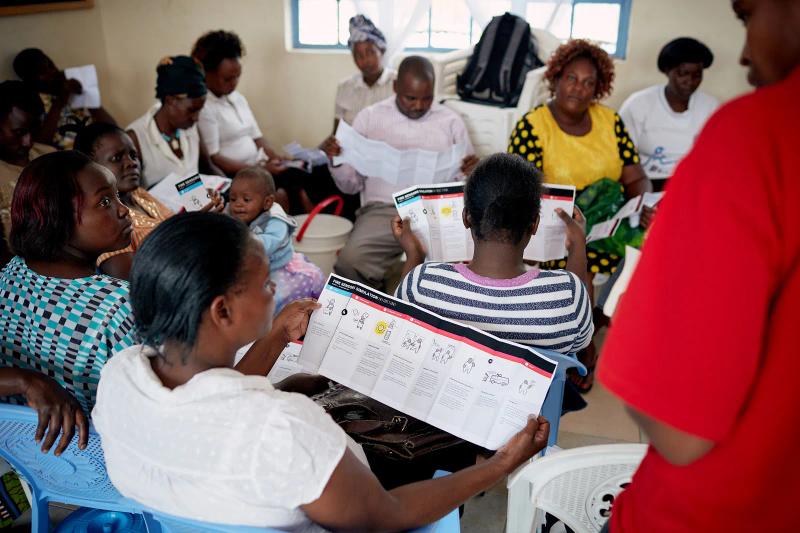
The process of community engagement is a learning process for both the organization and the citizens. All the activities raise awareness about a specific problem, challenge or need, and distribute information that will stay within the community or the organisation. As an organization, it is also possible to deliver training certificates along the journey that legitimize what the community members are doing and learning, which could potentially help them find jobs or improve their curriculum (e.g. a training certificate on fire response).
Community engagement is both a process and an outcome (Palmer-Wackerly et al., 2014) and so it produces results and ideas that are emergent and co-owned by the community, and therefore more sustainable over time. When the engagement is high, the shared purpose is strong and there is a tight feedback loop system in place, community members will more likely behave as active participants, perceive the benefits of what they are building and learning along the process, and become future users and advocates of the service solutions. Signs of a healthy community engagement emerge when, for example, the number of people taking part to the activities exceeds the expectations, or other groups ask to be part of the same program.
